WF2026, the Bilibili Shanghai International Hobby and Model Culture Expo, ran from October 3 to 4 at the Shanghai New International Expo Centre. At the INART booth, Phantom Blade Zero's protagonist Soul was shown for the first time as two statues: a 1:1 bust and a 1:3 full-body piece. Both are high-end statues built from the in-game character with the involvement of the game's own art team, and both sit a tier above the 1/12 articulated Soul figure that ships with the mainland China collector's bundle. As of publication, neither statue has an announced price, release window, or pre-order channel.
What the booth actually revealed
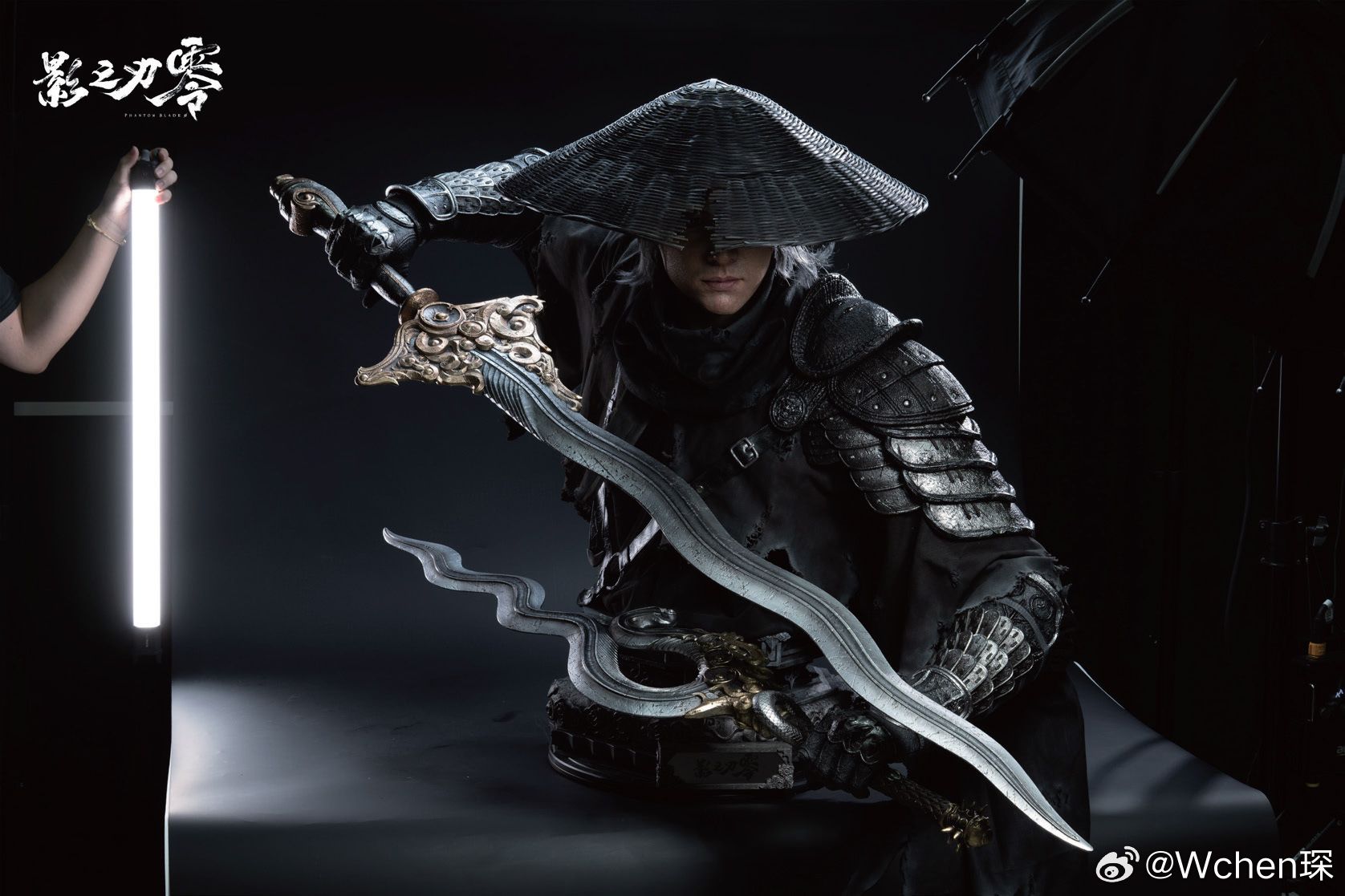
INART displayed the two Soul pieces side by side. The 1:1 bust scales the character's head and torso to roughly life size, which is where the face, hair strands, and upper-body armour detail can be read up close. The 1:3 full-body statue carries the whole pose instead, including the drape of the clothing and the weapon. Both are rigid statues rather than the articulated, swappable-part figures that Phantom Blade Zero fans have seen so far, which changes both the material and how the piece is expected to be displayed.
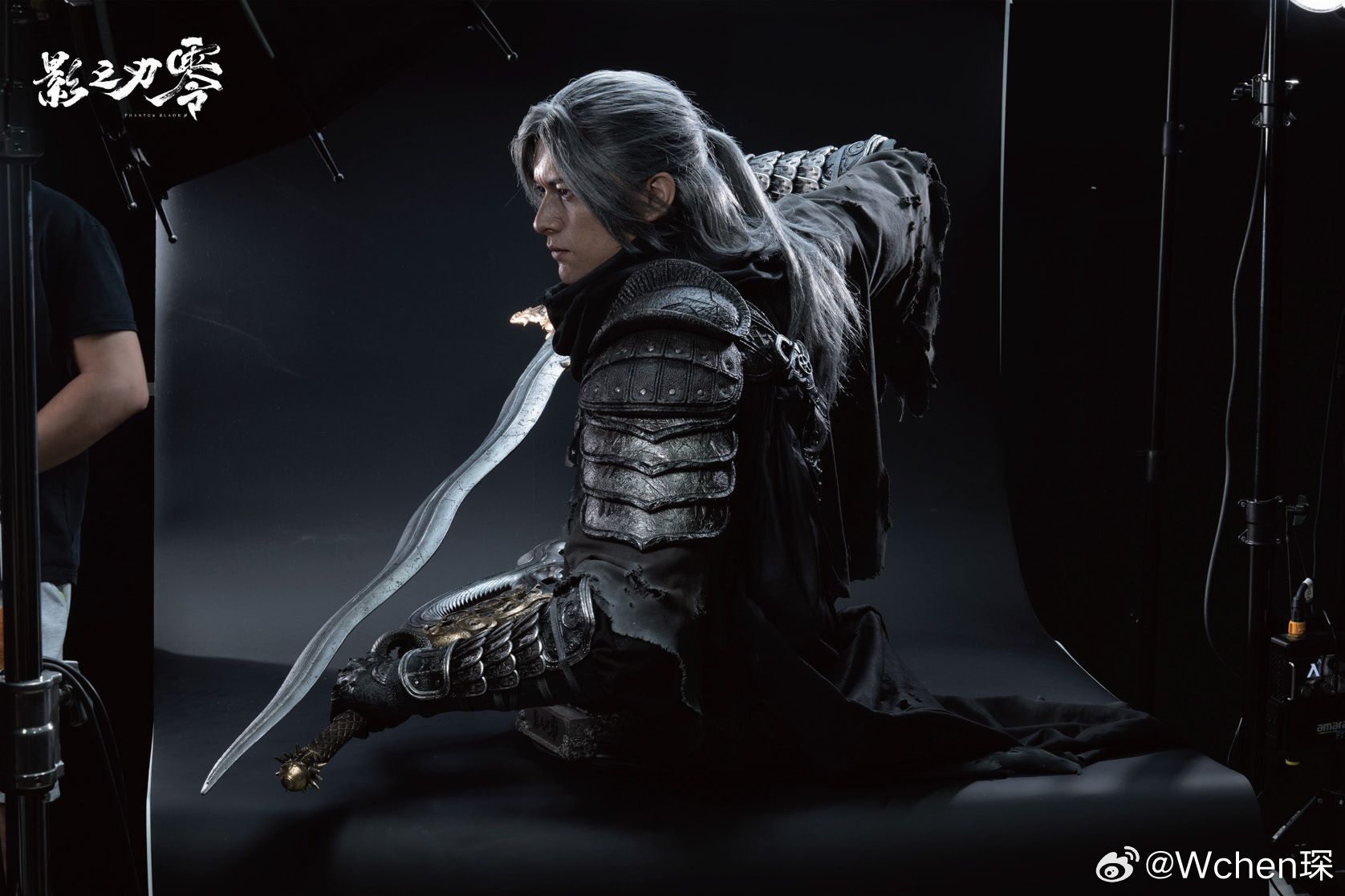
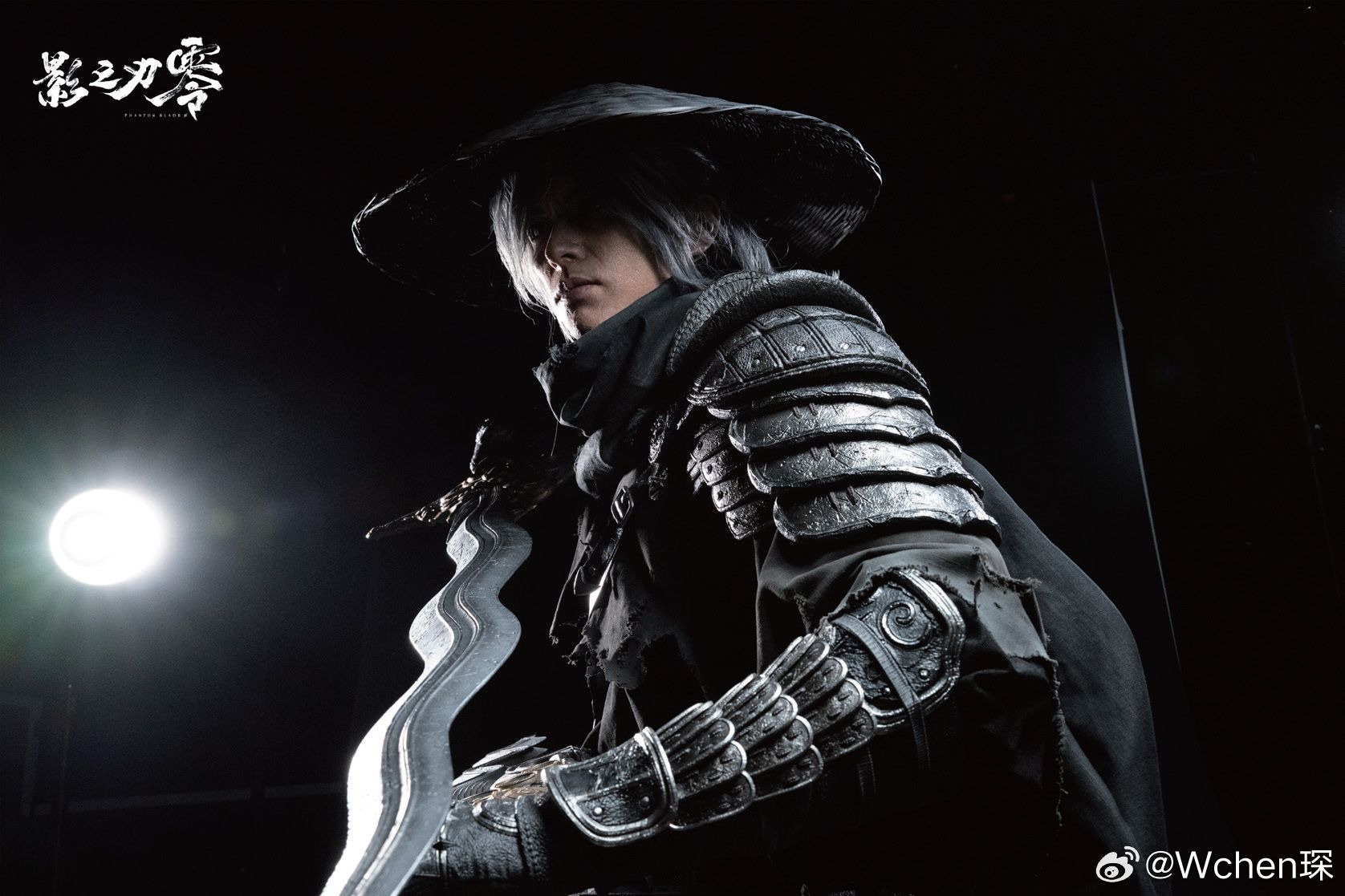
In the photos from the show floor, the statues keep Soul's signature silhouette: a wide conical hat pulled low over the face, long silver-white hair falling past the shoulder, layered dark armour, and a long sword with gold-toned ornament. The pose reads as a character entering a scene, with the sword held level across the body or angled down. The hat, the long hair, the layered armour, and the ornamented sword are all present on both pieces; what changes is how much of the figure each one commits to. The bust concentrates the sculpting work on the face, the strands of hair inside the hat's shadow, and the stacked shoulder plate. The full-body statue has to solve the whole figure at once, so the clothing drape, the stance, and where the hand rests on the sword all belong to the same single sculpt.
Wang Chen's photos and the production notes
Wang Chen, the 3D lead on Phantom Blade Zero (Weibo handle @Wchen琛), posted photos of the statues and details from the production process around the show. According to his account, the statues went through several rounds of internal supervision at S-Game before the INART team refined them into the final form, with the goal of reproducing skin texture, armour engraving, and the wear and damage on cloth and plates.
In his caption he wrote that seeing the pieces in person was "very striking," that the team had reproduced both the skin detail and the damage on Soul's armour and fabric, and that he looked forward to more characters being turned into physical pieces. That statement is the most direct source currently available on how the statues were produced from the game's side.
The supervision detail is the part that separates these pieces from a generic licensed statue. A studio art team signing off on multiple rounds means the proportions, the armour layering, and the fabric damage were checked against the game's own assets rather than reconstructed from reference screenshots alone. A studio-controlled sculpt is held to the shape of the character as the game actually defines it, which is the difference a collector is paying for at these scales.
What the 1:1 and 1:3 scales mean
The scale number decides both the display format and the footprint. A 1:1 bust is built to the character's actual head and torso proportions, so it stands at roughly life-size chest dimensions. That makes it a piece for a counter, an entryway, or any spot where it can be viewed at close range, and it puts the emphasis on the impact of the face and upper-body detail. A 1:3 full-body statue is a familiar high-end collector scale, typically in the tens-of-centimetres range in height, which lets the whole outline and sword-holding pose be read from head to toe and suits a full display case. The two are not substitutes for each other. The bust is for detail, the full-body statue is for the overall silhouette, and showing both at once gave visitors a direct comparison between the two priorities.
Neither format is designed to be handled or re-posed. A statue holds one fixed pose, so the shelf position is a permanent decision rather than an adjustable one, and that is the main practical break from the articulated figure the site has already covered. A collector used to swapping parts and re-posing the 1/12 figure is looking at a different kind of object here: one that is chosen once and displayed as-is.
The scale gap between the pieces also decides what a visitor would actually judge on the show floor. At 1:1, a bust is large enough that the finish on the skin, the hat weave, and the metal trim is visible without leaning in, so any flaw in the paint or the seam line would be equally visible. At 1:3, the same character is compressed into a piece a fraction of the height, which shifts the test to proportions: whether the head, the torso, and the sword read correctly as one silhouette from a few steps back. The bust is judged at arm's length and the full-body statue is judged from across a room, so the two are not just different sizes of the same review.
That is also why showing both at one booth is more informative than showing either alone. A pair that shares the hat, the hair, the armour, and the sword lets a visitor check the same design decisions at two degrees of magnification, and it makes the supervision work visible in a way a single statue could not.
What is confirmed, and what is not
Here is the split, item by item.
Confirmed: the two pieces are Phantom Blade Zero collectibles; the game's own art team supervised them; INART is the maker; the first public showing was at WF2026 in Shanghai; the scales are 1:1 for the bust and 1:3 for the full-body statue; the character is Soul; the production photos were posted by the game's 3D lead. Each of those points can be traced to the show coverage or to Wang Chen's own posts.
Not confirmed: pricing for either piece; a release date or window; whether they will be sold at all, as opposed to being display-only show pieces; the edition size; the pre-order channel; the shipping regions; and whether accessories or a base are included. None of these has a manufacturer or publisher statement behind it, so any specific number or date circulating without one should be read as show-floor speculation.
That list is the practical takeaway. If a reader's question is "how much and when," the honest answer as of publication is that neither has been announced.
It is also worth separating the statue from the launch bundles. The collector's bundle is bought together with the game and a digital code, so its figure is part of a package deal. A 1:1 bust or a 1:3 statue, if it goes on sale at all, would stand on its own as a merchandise purchase, priced and shipped separately from the game. That is the usual shape of the high-end statue market, and it is why the absence of a price is not a gap in this story so much as the current state of the announcement.
Players who already collect official merchandise can use the existing physical edition as a reference point. The site has covered the 1/12 articulated Soul figure at the centre of the mainland China collector's bundle, along with what the physical editions actually include. When statue purchase details are announced, they would sit alongside the figure and the controller collaborations as the same category of physical merchandise. The difference in scale matters for how that announcement is likely to read: a licensed 1/12 figure is an accessory to the game, while a 1:1 bust and a 1:3 statue are products in their own right, aimed at a buyer who collects the character rather than the game disc.
Why a statue matters for Phantom Blade Zero
Phantom Blade Zero's merchandise line has so far been built around the game's release: a collector's bundle with a poseable figure, themed controllers from two peripheral brands, and an XR glasses collaboration. A statue at 1:1 and 1:3 changes what the line is aiming at. The scale and the supervision process place these pieces closer to the display-collectible market than to the game-buyer market, and the fact that the game's 3D lead is posting the production photos himself signals that the character line is being extended beyond the launch bundles.
For collectors, that is the part worth watching: whether a 1:1 bust and a 1:3 statue become the first of a series covering other characters, as Wang Chen's closing remark about more characters being turned into physical pieces hints, or a one-off pair tied to the release. A first showing at WF2026 answers what the pieces look like and who made them; the open question is whether the line continues past Soul.
Sources
- GamerSky: coverage of the Black Myth: Wukong and Phantom Blade Zero 3D lead posting photos of the Soul 1:1 and 1:3 statues
- ZOL (game.zol.com.cn): WF2026 show coverage and statue display reporting
- Wang Chen (Weibo @Wchen琛): statue photos and production notes posted around the show
- WF2026 organiser figures for exhibitor count and show scale, as relayed by press reports