Finishing Phantom Blade Zero once does not hand you a clean second run, and it does not hand you the same save with a new coat of paint either. The game wipes the map and the quest log while leaving the entire growth layer intact — gear, readables and techniques all travel with you. That combination decides how the mode is unlocked, what is worth bringing, and whether the Sixty-Six Days difficulty should be played on an inherited save at all.
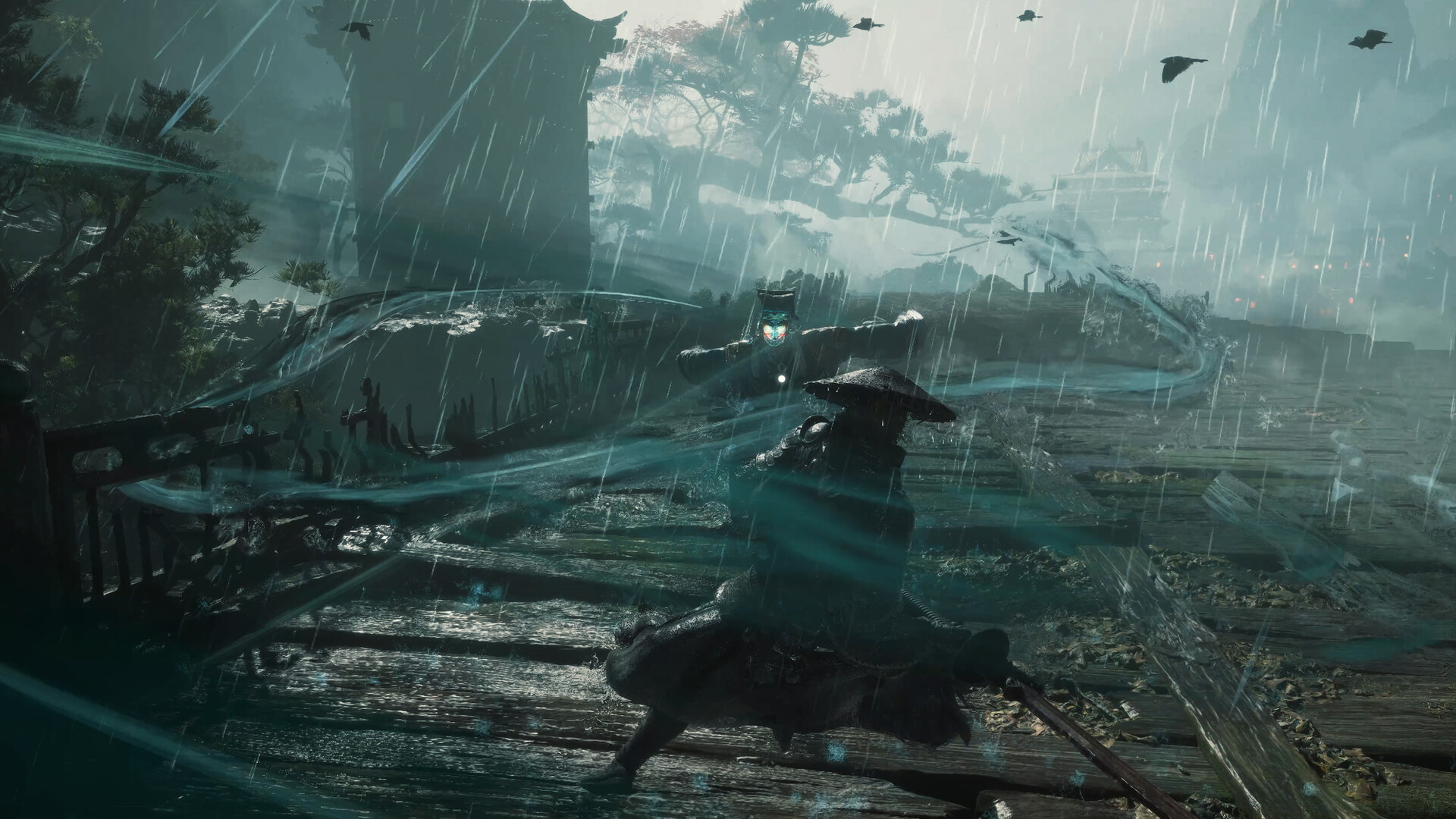
How to unlock New Game Plus: return to the puppet room on Jialong Mountain
The entrance is not in a menu. Finish the game on any difficulty, let the credits finish rolling, then use any bell to travel back to the puppet holding room (人偶囚室) on Jialong Mountain and speak with Xukong (虚空).
There is one order that is easy to miss: the credits have to finish first. The switch for the second run hangs on that conversation rather than firing automatically at the moment the final boss dies.
The place and character names here are given in pinyin, with the Chinese forms in brackets so they can be matched against the in-game text: 枷笼山 for the mountain, 悲泣鸣谷 for the valley further down, and 炼邪 for the blacksmith.
What carries over: gear, readables and techniques all stay
A New Game Plus breakdown published on November 3 by the Chinese outlets Gamersky and 17173 is specific about the keep list. Current equipment — accessories, weapons and Phantom Edges — is preserved. Readables collected during the first run and techniques learned are preserved as well.
In practice the build you spent the first run assembling does not evaporate. You re-enter chapter one as the same fully formed Soul, only with the stage reset underneath you. For anyone used to the late-game pace, the trash encounters in the opening chapters land softer than they did the first time around, because weapon levels, accessories and techniques are all still at endgame values.
| Item | At the start of New Game Plus |
|---|---|
| Accessories, weapons, Phantom Edges | Kept |
| Readables, techniques | Kept |
| Quest progress, map exploration | Reset |
| Key items | Reset |
| Remaining days | Reset |
What resets: quests, the map, key items and the day counter
The same breakdown lists four things that go back to zero: quest progress, map exploration progress, key items, and the number of days available.
The first two change your route; the last two change your resources. Resetting quests and the map means side quests, hidden paths and region unlocks have to be walked again. Resetting key items and the day count means the things that open doors, grant passage or feed the timer do not inherit along with your equipment.
Resetting quests and the map has a knock-on effect: what you can reach in the early hours of a second run depends on what this run has unlocked, not on how far the first run had opened things up. Side quests have to be triggered again on the new run's schedule, and region unlocks have to be walked again.
The list separates "key items" from "equipment" as two different rows, and that split is the boundary worth remembering: what sits in your equipment slots survives the rollover, and what exists to move a quest forward does not.
The day counter deserves its own note. The sixty-six days are part of the game's overall frame, so the second run starts the clock over and whatever you burned in the first run does not roll forward. For anyone planning to attempt the Sixty-Six Days difficulty, that means the day count starts from the same place whether you inherit a save or start a fresh one.
Weapons and Phantom Edges: the ceiling moves from 30 to 35
According to a report on TheGamer, summarised by Gamersky on November 3, weapons and Phantom Edges cap at level 30 in the first run and can push past that ceiling once you are in New Game Plus. The writer only noticed partway into the second run, having assumed the cap would hold — the mechanic does not announce itself.
The upgrade route does not open the moment the second run begins. TheGamer's writer could not upgrade anything at the first bell and only regained access to the upgrade screen after reaching the first outpost in Beiqiming Valley and speaking with the blacksmith Lianxie.
Gamersky's own editor logged a slightly different sequence: the Hei Mo Shang (黑魔伤) could be upgraded at the very first bell, and weapons picked up again during the second run carry a +1 suffix on their names, at which point they can be pushed all the way to 35.
The two accounts differ on timing, not on the ceiling itself. Read together, the safe conclusion is that level 35 unlocks with the second run, while the actual upgrade entry point is tied to re-acquiring the weapon — get the +1 version first, then keep investing in it.
In practice that means a short check at the start of the run: open the upgrade screen at the nearest bell, and if levels are locked, push on to the first outpost in Beiqiming Valley and speak with Lianxie. Once the same weapon comes back into your hands with a +1 on its name, the level-35 ceiling opens for it.
The rule applies to weapons and Phantom Edges alike; the report discusses the two together, and both the level-30 cap and the New Game Plus breakthrough cover them.
What the mechanic really changes is when a weapon reaches your hands. The weapons dropped by late bosses and by the final boss arrive so close to the credits that there is barely room to use them. A second run puts them back in your inventory near the start, and the answers available in early fights change accordingly.
Accessories gain one more level, medicines do not
The same TheGamer report notes that accessories picked up again in New Game Plus can be upgraded one further level. The upgrade usually keeps the accessory's original base bonus and adds a separate value to a stat such as attack power or the game's combat resource.
Medicines are the exception. Their first-run cap carries over into the second run and cannot be pushed any further.
"One more level" here is not a replacement accessory; it is another layer on the same one. The base bonus stays exactly as it was and the new numbers land on top, which makes this an addition to a finished build rather than a swap.
That makes the split between the two item types clear: accessories are a column that keeps growing across runs, and medicines are a column that is closed. The growth available in New Game Plus is concentrated in weapons, Phantom Edges and accessories, with no new ceiling to chase on consumables.
The Sixty-Six Days difficulty: bring a maxed save or start from nothing
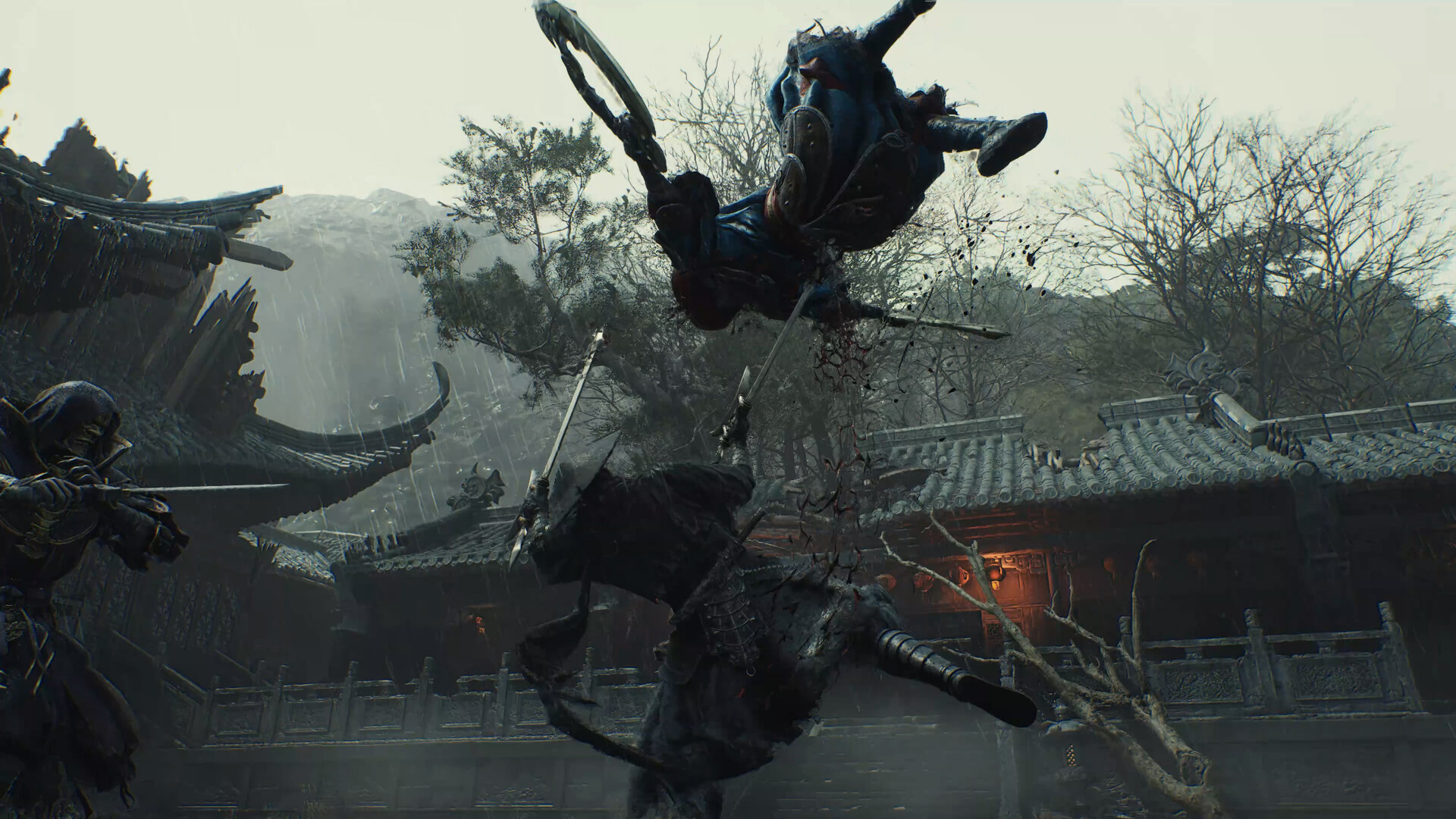
Completing the game unlocks the Sixty-Six Days difficulty, which gives you 66 lives, ends the run permanently once they are gone, and plays at the highest difficulty tier. The GamingBolt piece is careful to separate this from traditional permadeath: it is 66 chances, and the run ends only when the last one is spent. Its relationship with New Game Plus is not either-or: you can enter it on an inherited save, or on a brand-new one.
A commentary piece on GamingBolt, summarised by Gamersky on November 3, argues for the second option. The author's reasoning is that walking in with maxed weapons, accessories and medicines makes the difficulty largely meaningless and dissolves the point of the mode; the version worth attempting is a fresh run with nothing inherited, starting from zero.
The same piece offers a way of looking at the design: enemies do not respawn, resources are limited, and there is a single save that cannot be written manually. Those rules only become coherent under Sixty-Six Days, where you cannot reload your way through a problem and instead have to learn enemy placement and responses. The checkpoints between boss phases fit the same logic — they cut down on repeated attempts without letting one mistake cost too many days.
The article also treats time itself as an irreversible resource under Sixty-Six Days. Detouring to gather medicine for Yu'er, or exploring for a side quest, becomes a cost that has to be weighed first. That observation is the reason the same mode plays as two different experiences depending on whether you inherit a save.
These are the arguments of a commentary piece rather than rules published by the studio. The rules themselves — 66 lives, deaths consuming days, no manual saves — are covered separately in our guide to the difficulty options and Sixty-Six Days.
New Game Plus is not a prerequisite for the platinum
DualShockers interviewed director Liang Qiwei in October and asked about the design intent behind New Game Plus. His answer was that the studio did not lock a large amount of new content behind high difficulty or a second run, and that most players can earn the platinum trophy in a single playthrough.
He framed the mode's core value as re-unlocking the weapon experience. By his account, roughly the last ten weapons in the game come from late or final bosses, and by the time you hold them there is not enough run left to use them properly — "the final boss's weapon basically becomes a collectible". Carried into New Game Plus or Sixty-Six Days, those weapons change how the early game plays.
The same interview notes that the highest difficulty tier does not just adjust numbers: it changes enemy AI and behaviour trees, and bosses gain new attack patterns. Liang said that in the first two chapters alone, many playtesters had already died 20 times, and that the team kept those sequences anyway on the reasoning that the investment pays off as long as someone finds the challenge worthwhile. The "new" material in a second run and in the top difficulty therefore sits in combat rather than in story or level design.
Clearing the game also unlocks special outfits based on the endings you achieved — which ones you get depends on which endings you completed — and they can be viewed from your inventory afterwards. That reward is not tied to New Game Plus, but it is the first difference visible when you replay for a different ending.
If the goal is simply to see everything and collect every trophy, one playthrough is enough. The return on a second run comes down to two things: using the late-game weapons again, and taking on Sixty-Six Days from a fresh save with nothing to fall back on. The first is a gameplay reason to replay, the second is a self-imposed difficulty challenge, and they can be done separately or stacked together.