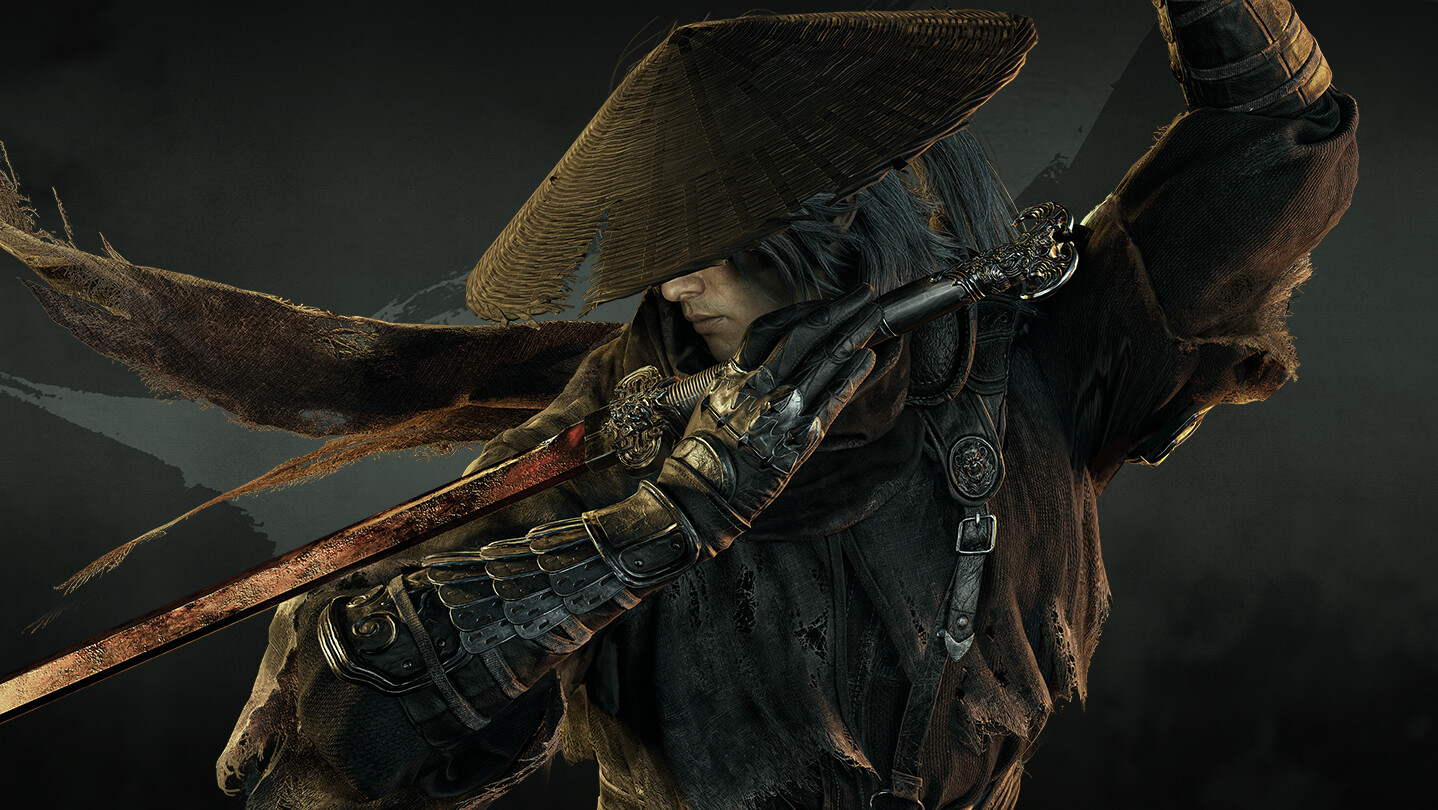
Before committing $59.99 to a single-player action RPG, many players check one last thing: the audio setup. Does Phantom Blade Zero have Chinese voice acting? Do English players get a full dub? Will Japanese and Korean players be staring at silent subtitles? The official Steam language table answers all of these questions, and the answer is more specific than most people expect: of 15 supported languages, exactly two ship with full voice acting.
This article walks through the official language table row by row, then covers the two voice tracks in detail: why Mo Yuan is voiced in English by Donnie Yen himself and polished in Chinese by a veteran dubbing director, and which subtitle and audio features are confirmed. The game launches on October 29, 2026 (October 28 in the US and select regions) on PS5 and PC via Steam and the Epic Games Store.
Quick answer: which languages get voice acting
The official language table on the Steam store page lists 15 supported languages, and exactly two come with full audio support:
- English: interface, subtitles, and full audio;
- Simplified Chinese: interface, subtitles, and full audio.
The remaining 13 languages — French, German, Spanish (Spain), Russian, Japanese, Traditional Chinese, Portuguese (Brazil), Korean, Italian, Thai, Vietnamese, Portuguese (Portugal), and Spanish (Latin America) — get interface and subtitles only, with no voice track.
In other words, this is a "two fully voiced languages, thirteen subtitled languages" release. For Chinese players, Simplified Chinese voice acting is a day-one standard rather than a post-launch addition. For everyone else, the setup requires accepting localized subtitles over a Chinese or English voice track.
The full language table: 15 supported languages
The table below is transcribed from the official Steam store page, with support split into interface, subtitles, and full audio:
| Language | Interface | Subtitles | Full Audio |
|---|---|---|---|
| English | ✔ | ✔ | ✔ |
| Simplified Chinese | ✔ | ✔ | ✔ |
| French | ✔ | ✔ | — |
| German | ✔ | ✔ | — |
| Spanish (Spain) | ✔ | ✔ | — |
| Russian | ✔ | ✔ | — |
| Japanese | ✔ | ✔ | — |
| Traditional Chinese | ✔ | ✔ | — |
| Portuguese (Brazil) | ✔ | ✔ | — |
| Korean | ✔ | ✔ | — |
| Italian | ✔ | ✔ | — |
| Thai | ✔ | ✔ | — |
| Vietnamese | ✔ | ✔ | — |
| Portuguese (Portugal) | ✔ | ✔ | — |
| Spanish (Latin America) | ✔ | ✔ | — |
Two things stand out from this table. First, the reach of the text localization: 15 languages covers Europe's major markets, East Asia, and Southeast Asia, a count that puts Phantom Blade Zero at the front of the pack among Chinese-developed single-player PC releases. Second, the cost boundary of voice production. Recording a full dub requires studios, direction, actor schedules, and lip-sync work against motion-captured performances — orders of magnitude more expensive than text translation. Concentrating voice work on the two most widely spoken languages for this audience is a common and pragmatic trade-off for premium single-player releases.
One caveat belongs here: the table comes from the Steam page, and the PlayStation Store listing does not break down language support item by item. Both storefronts are maintained by the same publisher, S-GAME, and the two pages have matched so far on every other detail, but the in-game options are the final authority on voice availability. That is the one coverage gap in the official language data as of now.
Chinese voice acting: full Simplified Chinese audio, with Chen Hao polishing Mo Yuan
Simplified Chinese is one of the two fully voiced languages — home turf for a Chinese-developed game — and the detail worth expanding is a specific piece of casting: the Chinese voice of Mo Yuan.
On August 18, 2026, producer Soulframe Liang published a post explaining the details of Donnie Yen's involvement: beyond performing facial and motion capture for Mo Yuan and serving as creative consultant, Yen "personally completed the character's English voice acting" and "invited Chen Hao to polish the Chinese voice acting for Mo Yuan together." GamerSky and multiple Chinese outlets reported the post the same day.
Chen Hao is the Mandarin dubbing voice of Ip Man in the Ip Man film series and one of China's most established film dubbing directors. Casting Ip Man's long-time Mandarin voice as the Mandarin voice of a character performed by Donnie Yen is a deliberate piece of sound design: the voice that has dubbed Yen's most famous screen role for years now lands directly on Yen's motion-captured villain. Liang's phrasing — "polish together" — indicates that Chen Hao's involvement sat at the level of performance adjustment rather than a simple studio session, though the official announcement stopped short of publishing a fuller Chinese cast list. The voice lineup for roles other than Mo Yuan remains unannounced.
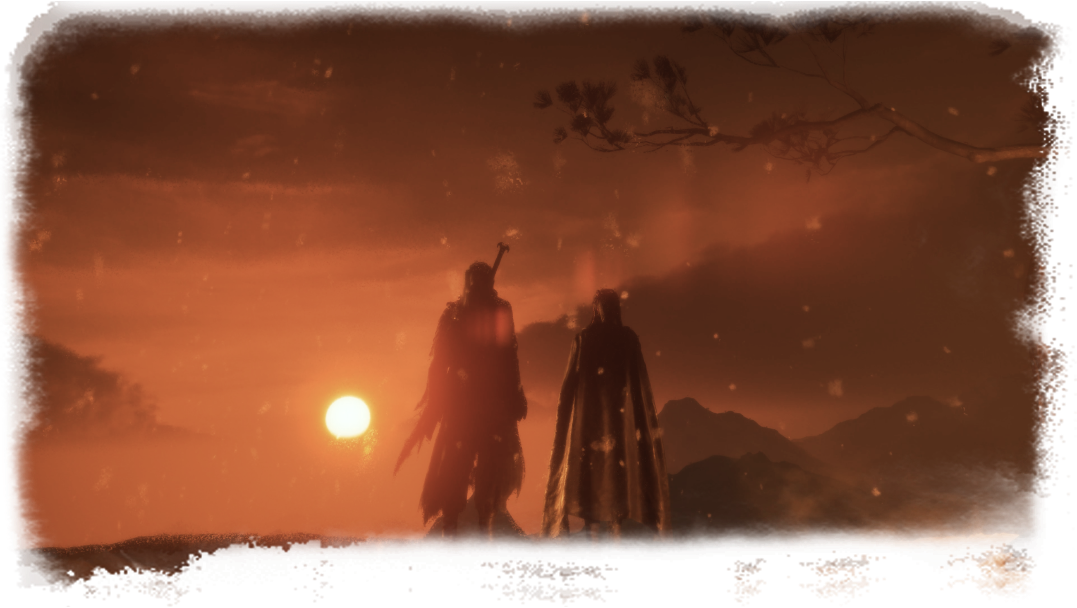
Traditional Chinese players are in a separate situation worth flagging: the official table gives Traditional Chinese interface and subtitles, but no voice track. For spoken Chinese, the option is Simplified Chinese audio. Whether text language and voice language can be mixed and matched in the settings menu has not been covered in any official documentation so far.
English voice acting: Donnie Yen recorded Mo Yuan's lines himself
English is the other fully voiced language, and its headline detail again centers on Mo Yuan. Liang's August 18 post states plainly that Donnie Yen "personally completed the character's English voice acting" — not a soundalike performer approximating his delivery, but Yen himself in the recording booth, delivering the English lines for a character he also performed through facial and motion capture.
That configuration is rare in the games industry. Action stars typically license their likeness and movement while professional voice actors handle the booth work. Yen took on capture, performance, and English voice acting together, layered on top of his creative consultant role — effectively owning the audiovisual performance of the character across every layer. PlayStation's official blog recap of the August 17 State of Play likewise credits him as creative consultant, a role the announcement notes he has held since 2023. Liang's post adds one more name to the production chain: Yan Hua, brought in by Yen to choreograph the more complex fight sequences.
For the protagonist Soul, IMDb lists Jay Maksenuk as the English voice actor. Beyond Mo Yuan and Soul, S-GAME has not published a complete English cast list.
For English-speaking players, the practical takeaway is that this is a full English dub rather than a "Chinese audio by default, English subtitles" export configuration. Judging by the response to the 11-minute pre-order trailer in August, the English performances match the density of the story scenes — Mo Yuan's lines in that trailer are delivered in Donnie Yen's own voice, a detail overseas players identified and discussed widely within days of release.
What two voice tracks mean
Put the facts together and the pattern is clear: Phantom Blade Zero's audio strategy is not "one language first, the other later." Both voice tracks arrive at launch, and both receive heavyweight performance resources for the same character — the protagonist's father.
For Chinese players, it means the Chinese track is not a translated afterthought: Mo Yuan's Mandarin performance was polished by Chen Hao, a veteran film dubbing director, and the studio promoted it as a piece of performance craft rather than a checkbox. For English players, it means the story can be experienced end to end in their native language, with the single heaviest acting performance in the game — Yen's Mo Yuan — delivered by the man himself on the English track as well. Both tracks share the same facial-capture and motion-capture base performance; how the game keeps lip-sync and emotion consistent across two languages is a technical detail S-GAME has not disclosed, and it is worth checking against the release build.
The subtitle-and-voice combinations are also worth noting: 15 subtitle languages across 2 voice languages makes 30 theoretical pairings. A Korean player can run Korean subtitles over Chinese audio; a Thai player can pair Thai subtitles with English audio. How these combinations are presented in the settings menu has not been shown in official screenshots yet, so treat the in-game options as the final word.
How it compares with Black Myth: Wukong
The most useful benchmark for this setup is Black Myth: Wukong, the Chinese single-player release that reset expectations for the category. According to the official Steam language tables, the two games support the same number of languages — 15 each — and the difference sits in the voice tracks:
| Phantom Blade Zero | Black Myth: Wukong | |
|---|---|---|
| Supported languages | 15 | 15 |
| Full audio | English, Simplified Chinese | English, Simplified Chinese, Czech |
| Language support each adds | Vietnamese, Portuguese (Portugal), Spanish (LatAm) | Polish, Turkish, Czech (third full-audio track) |
Wukong's Czech dub was the surprise of its launch window, debated long before release. Phantom Blade Zero skips a third voice track but extends subtitle coverage to Vietnamese and other locales, and it stakes its voice-track claim on the dual-language Mo Yuan performance instead. For Vietnamese players, Phantom Blade Zero is the friendlier package; for anyone who specifically wants a third voice option, Wukong still holds that edge. On the core configuration both games land in exactly the same place — full English and Simplified Chinese audio on day one — which is quickly becoming the standard answer for Chinese premium single-player releases abroad.
Subtitles and audio settings: what is confirmed
Beyond the language table, the official pages confirm the following audio and subtitle features:
- Dolby Atmos: announced at The Game Awards 2025, when the game's release date was revealed;
- 3D Audio: the PS5 version supports Tempest 3D AudioTech, which the official description positions as a way to locate incoming flying swords and distinguish the resonance of clashing weapons; it requires built-in TV speakers or analog/USB stereo headphones;
- Subtitles: the PlayStation Store listing marks full subtitles ("Spoken dialog in the game is fully subtitled") plus advanced subtitle options, and the Steam page's category tags include Subtitle Options and Adjustable Text Size;
- Volume controls: the Steam tags include Custom Volume Controls, and the PS Store listing describes per-channel volume adjustment and muting.
On the PlayStation side, these options sit inside an accessibility list of eight features that covers both the advanced subtitle settings and the per-channel volume controls.
Some of these features are covered in more depth elsewhere on this site: the PS5 version's DualSense adaptive triggers and haptic feedback are detailed in our PS5 overview, and the differences between the Standard and Digital Deluxe editions (cosmetic items plus a digital artbook and soundtrack — the game itself is identical) are laid out in the pre-order guide. Language and voice support do not differ between the two editions — they are two versions of the same game, and the differences never touch text or audio content.
For Mo Yuan's full background — Soul's father, last master of the Bastion of Mó, and the hidden boss S-GAME has named publicly — see our dedicated character piece. It explains why this one role justifies the studio's double investment in two voice tracks.