The Game Awards 2026 nominees were announced during the show's official livestream in the early hours of November 18, Beijing time. Phantom Blade Zero came away with five: Game of the Year, Best Game Direction, Best Art Direction, Best Score and Music, and Best Action Game.
The ceremony is set for the Peacock Theater in Los Angeles on December 10 local time, which falls on December 11 in Beijing. Two of the five categories judge the game as a whole; the other three each map onto one specific line of production.
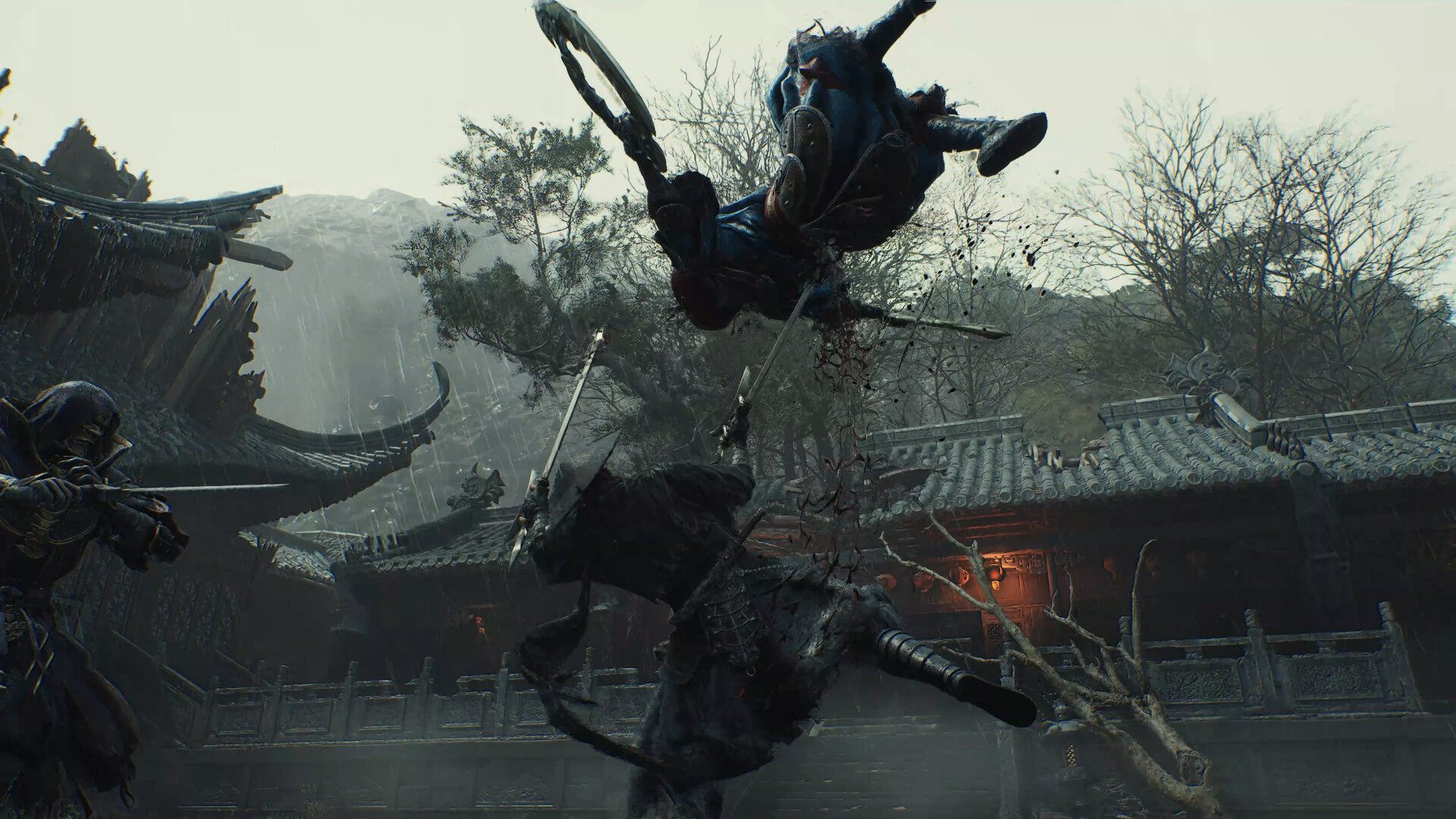
The five categories, and who else is nominated
| Category | Other nominees |
|---|---|
| Game of the Year | 007 First Light, Control Resonant, Grand Theft Auto 6, Resident Evil Requiem, The Legend of Zelda: Ocarina of Time |
| Best Game Direction | Control Resonant, Grand Theft Auto 6, Pragmata, Resident Evil Requiem |
| Best Art Direction | Control Resonant, Grand Theft Auto 6, Mouse P.I. For Hire, The Legend of Zelda: Ocarina of Time |
| Best Score and Music | Ace Combat 8: Wings of Theve, Grand Theft Auto 6, Mixtape, The Legend of Zelda: Ocarina of Time |
| Best Action Game | Ace Combat 8: Wings of Theve, Gears of War: E-Day, Onimusha: Way of the Sword, Saros |
Two things stand out from the lists themselves. Game of the Year is a six-way field, with 007 First Light, Control Resonant, Grand Theft Auto 6, Resident Evil Requiem and the Ocarina of Time remake alongside Phantom Blade Zero. And the two craft categories overlap heavily: Control Resonant, Grand Theft Auto 6 and Ocarina of Time appear in both Game Direction and Art Direction, with Pragmata added to the first and Mouse P.I. For Hire added to the second.
By GameSpot's tally, Grand Theft Auto 6 leads the year with eight nominations. Control Resonant and Resident Evil Requiem have six each, Phantom Blade Zero has five, and Big Walk, 007 First Light and the Ocarina of Time remake have four apiece. Between them, the six Game of the Year nominees account for 33 nominations, and Grand Theft Auto 6's eight span Game of the Year, Game Direction, Narrative, Art Direction, Score and Music, Audio Design, Performance and Action/Adventure.
Each of those categories comes with its own remit, and the five remits do not overlap much. Game of the Year is judged on the year's overall best work across creative and technical fields. Game Direction looks at creative vision and how cleanly it was executed through design. Art Direction recognises artistic design and animation. Score and Music covers the score itself, original songs and any licensed soundtrack. Best Action Game is about combat design. Read side by side, the five definitions put Phantom Blade Zero's nominations on the production side of the ledger rather than the storytelling side.
The categories Phantom Blade Zero is not in are as informative as the ones it is. Best Narrative, Best Audio Design and Best Action/Adventure all include Grand Theft Auto 6, Control Resonant and Resident Evil Requiem, and none of them include Phantom Blade Zero. The Action/Adventure field is 007 First Light, Control Resonant, Grand Theft Auto 6, Pragmata, Resident Evil Requiem and Ocarina of Time. Best Narrative is 007 First Light, Control Resonant, Grand Theft Auto 6, Resident Evil Requiem and The Blood of Dawnwalker. Best Audio Design is Ace Combat 8, Control Resonant, Grand Theft Auto 6, Resident Evil Requiem and Star Wars: Galactic Racer. Best Performance is the fourth miss: Angela Sant'Albano for Resident Evil Requiem, Liam McIntyre for Marvel's Wolverine, Manni L. Perez for Grand Theft Auto 6, Patrick Gibson for 007 First Light and Rahul Kohli for Saros.
The two audio categories are the pair worth separating. Score and Music judges the music itself — the score, original songs and any licensed soundtrack — while Audio Design judges in-game sound and mixing. Phantom Blade Zero made the first and missed the second.
The only Game of the Year nominee that also made Best Action
The Game Awards splits action from action/adventure, and this year that split draws a clean line through the Game of the Year field. All five of the other Game of the Year nominees show up in Best Action/Adventure. Phantom Blade Zero is the only one placed in the straight action category, where it sits with Ace Combat 8: Wings of Theve, Gears of War: E-Day, Onimusha: Way of the Sword and Saros.
That placement explains the shape of the five nominations. Two are holistic, and three each correspond to a production line. Art Direction covers the ink-wash environments and character design, Score and Music covers Caisheng Bo's soundtrack, and Best Action Game covers the combat system. The latter two have separate public records behind them: the original soundtrack went up on streaming services on November 6 with 81 tracks across four discs, and the parry-and-dodge layer has been broken down in detail since launch.
The two genre categories also divide along different lines. In the show's own wording, Best Action/Adventure rewards polished combat alongside traversal and puzzle-solving, while Best Action Game is about the craft of combat on its own. This year five of the six Action/Adventure nominees are also Game of the Year nominees; in Best Action, four of the five are not.
Overlap between the shortlists is not a signal about any one title: Control Resonant and Grand Theft Auto 6 appear in both Game Direction and Art Direction, and the Ocarina of Time remake appears in three of the five categories above.
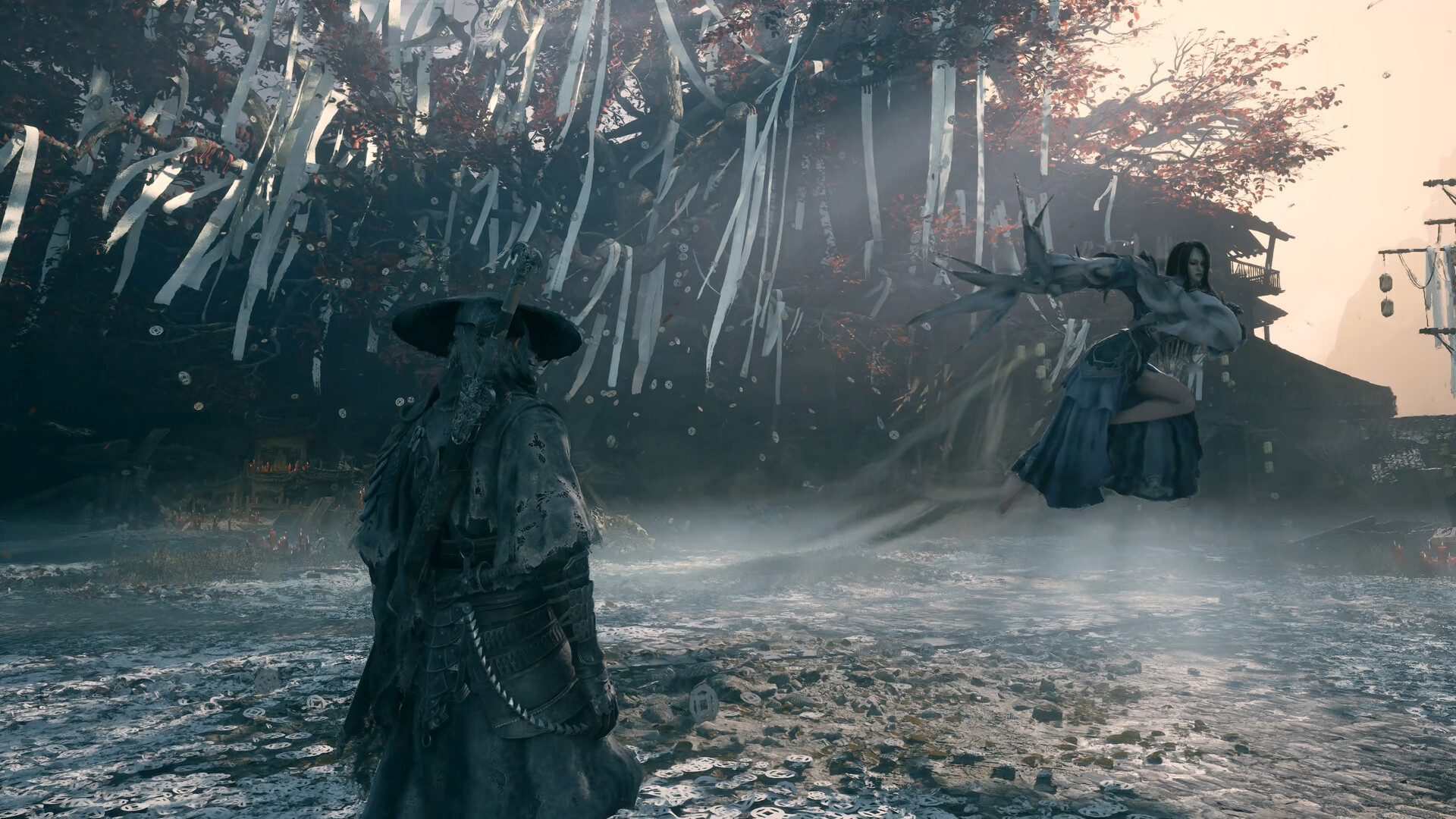
Where five nominations sit inside 30 categories
This year's show hands out 30 awards, and the published list splits cleanly: one overall award, seven craft and technical awards (Game Direction, Narrative, Art Direction, Score and Music, Audio Design, Performance, Innovation in Accessibility), twelve genre awards (Action, Action/Adventure, RPG, Fighting, Family, Sim/Strategy, Sports/Racing, Multiplayer, Indie, Debut Indie, Mobile, VR/AR), three community and impact awards (Games for Impact, Ongoing Game, Community Support), four others (Adaptation, Most Anticipated, User-Created Content, Content Creator), and three esports awards (Game, Athlete, Team).
Placed against that map, four of Phantom Blade Zero's five nominations sit in the craft and genre groups, and one is the single holistic award: three of the seven craft awards, one of the twelve genre awards. The nominations cluster around how the game was made rather than around storytelling, sound design or long-term support.
Two other Chinese games appear elsewhere on the same ballot: Arknights: Endfield and Where Winds Meet are both nominated for Best Mobile Game. Phantom Blade Zero, developed and published by S-GAME itself, is the only Chinese-developed title in the Game of the Year field.
How the nominations were decided
The nominees come from a jury. GameSpot's announcement notes that the field was chosen by a global jury of media publications and creator outlets, and that GameSpot is one of them; Beebom puts the jury at 160 outlets worldwide. The lists were read out one category at a time on a dedicated livestream, and once they went live the official site opened voting on every category.
Those are two separate steps. Players do not choose the nominees; they are invited to vote on the winners. Five nominations therefore describe where the jury placed the game, not how a public vote went, and they cannot be read as a share of anything.
Three awards, three different measurements
Phantom Blade Zero has now appeared in three awards with three different mechanisms, and the numbers from each cannot be converted into the others.
The Golden Joystick's Ultimate Game of the Year is a public vote, and the organisers read out the percentages on stage: Phantom Blade Zero finished on 16 per cent against 17 per cent for the winner. PlayStation Blog's Players' Choice for October is an editorial nomination followed by a reader vote, and Phantom Blade Zero took first place there. The Game Awards works a third way, with a jury drawing up the shortlists and the public voting afterwards on the site.
Each of the three also samples something different. The Golden Joystick ballot is open to any player and covers the year, and what gets published is a percentage. PlayStation Blog's monthly award only looks at games released that month, with an editorial shortlist handed to readers. The Game Awards shortlist comes from a jury and spans the whole eligibility year.
The voting body, the sample size and the disclosure all differ. One is an open public ballot with published percentages, one is a platform blog's monthly reader poll, and one is a shortlist drawn by a media jury. A nomination count is not a vote share, and a vote share is not a probability of winning. Setting "five nominations" next to "one percentage point behind at the Golden Joystick" compares two unrelated measurements.
From the shortlist to the ceremony
A little over three weeks separate the announcement from the ceremony, and two details from that window are worth keeping.
The first is Grand Theft Auto 6, which launches on November 19 — its eight nominations were announced the day before release, Game of the Year among them. Of the six Game of the Year nominees, it is the only one that had not yet shipped when the shortlist was published.
The second is the reaction from S-GAME's founder. Liang Qiwu (梁其伟) posted three "OK" emoji in a row on Bilibili and three "yearning" emoji on Weibo, neither post mentioning the awards by name; Gamersky recorded both on November 18.
In its report on the announcement, GCORES described the five nominations as the most a Chinese single-player game has received in the awards' history.
The ceremony on December 10 will settle all 30 categories. For Phantom Blade Zero, the shortlist has already placed it among six Game of the Year candidates, with the other four nominations spread across direction, art, music and action — each of them against the fields listed above.